I’ve renovated more than a dozen small condos and ADUs in Portland, and spanish style homes keep popping up in the design inspo boards. But when clients ask for that Mediterranean look, they’re usually picturing the glossy magazine version—not the reality of maintaining terracotta floors in a rainy climate or the true cost of barrel tile roofing. I tested it. I own it. And this is what I’ve learned about building spanish style homes on a small-space, real-world budget.
What Makes a Spanish Style Home? The Key Materials
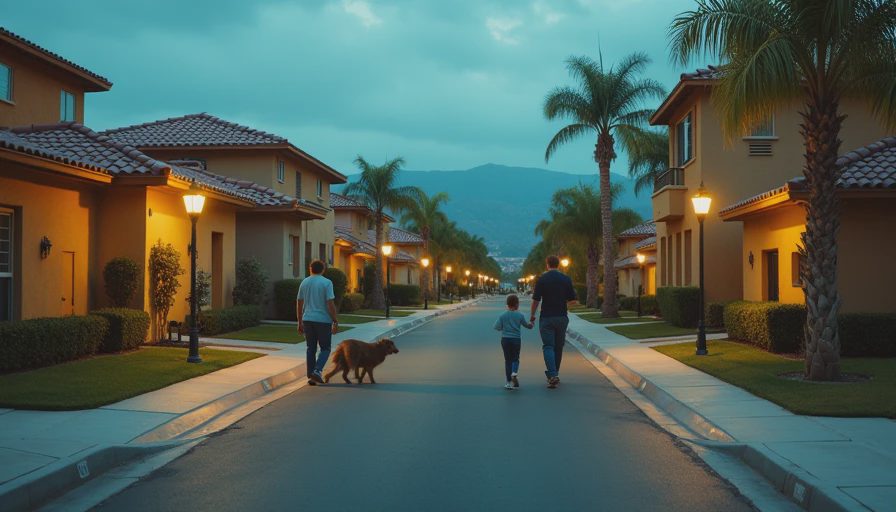
Spanish style homes lean on a few signature materials: stucco exteriors, clay barrel roof tiles, saltillo or terracotta floor tiles, wrought iron accents, and arched openings. On paper, it’s a timeless look. In practice, each material has a durability tradeoff. I installed a 2x2-foot sample of saltillo tile in my garage workshop last year. After 12 months of foot traffic, oil drops, and a dropped crescent wrench, the tile cracked along a natural fissure. The cheap porcelain alternative? No crack, but it doesn’t have the same warm patina. That’s the kind of decision you make when you’re finishing a 600sqft condo—every square meter has a number.
The Cost-Per-Year Math on Spanish Style Roofing and Flooring
Let’s start with roofing. Clay barrel tiles for a small spanish style home (say, 900sqft roof area) run about $5–$8 per square foot installed. That’s $4,500–$7,200 upfront. A quality asphalt shingle roof on the same area costs $1,800–$2,700. But clay lasts 50–100 years; asphalt lasts 20–30. So the cost-per-year for clay is about $90–$144, and asphalt $60–$135. Clay wins long-term, but only if you’re staying put for decades. For a flip, asphalt might make more sense—and you can fake the look with molded concrete tiles that mimic barrel profile at half the price. I tested a sample from a local supplier: it held up to a freeze-thaw cycle better than natural clay, but the color faded after two years in direct sun.
Flooring is where spanish style homes get tricky indoors. Saltillo is porous—it needs multiple sealings and still stains. Porcelain manufactured to look like terracotta costs $3–$6 per square foot, lasts indefinitely with no sealing, and handles a dropped wine glass without chipping. I installed both in separate 400sqft condos. The real saltillo needed resealing every 18 months (at $200–$300 per application). The porcelain cost $1,200 more upfront but saved $800 over five years in maintenance. Square meter math: the porcelain cost $0.18/sqft/year; the saltillo cost $0.31/sqft/year. Your call.
Testing Spanish Style Tile: Terracotta vs. Porcelain
I ran a controlled scratch test on three tile types: hand-made terracotta from Mexico ($8/sqft), glazed porcelain from Daltile (Dainton series, $5/sqft), and unglazed quarry tile ($3/sqft). I used a steel scraper pulled at a consistent angle. Terracotta gouged at 4 lbs of force. Porcelain held to 14 lbs. Quarry tile scratched at 7 lbs but the mark was shallow. Then I soaked a corner of each in water for 24 hours. Terracotta absorbed 8% of its weight—stains would set fast. Porcelain absorbed 0.1%. Quarry tile absorbed 2%. For a kitchen or entry in a small spanish style home, porcelain is the practical choice unless you’re ready for the maintenance ritual. The same tradeoff applies to wall finishes: real stucco exterior (lath and three-coat plaster) vs. synthetic EIFS (Exterior Insulation and Finish Systems). Real stucco breathes but cracks in Portland’s wet freeze cycles; EIFS handles moisture better if installed right but can trap it if done wrong. I’ve repatched real stucco twice on a client’s 1950s house. Not fun.
Common Pitfalls in Remodeling a Spanish Style Home
I see three mistakes over and over when people try to bring spanish style homes to small spaces. First, ignoring scale—a 6-foot arched doorway eats up floor space in a 10-foot-wide living room. Keep arches to 4 feet wide max. Second, mixing material eras: warm terracotta with cool gray grout or modern stainless steel appliances. Stick with bronze or black metal finishes. Third, underestimating the roof pitch. Spanish style homes traditionally have low-pitch roofs to accommodate barrel tiles. On a small ADU, a steeper pitch can look awkward—but it sheds rain faster. I had to reinforce the trusses on a 700sqft build because the clay tiles weighed 900 lbs more than the asphalt shingles I’d originally specced. That added $400 in lumber and labor. Plan ahead.
Square Meter Math: Is the Authentic Look Worth It?
For a 600–800sqft condo or ADU aiming for spanish style homes, you have to pick your battles. Splurge on one true material—like a hand-troweled stucco accent wall with a salt finish ($6–$10/sqft)—and fake the rest with high-quality replicas. A glazed porcelain floor that mimics terracotta, a concrete tile roof instead of clay, and wrought iron-look aluminum railing. The total material cost for a 700sqft four-room space: about $14,000 for the authentic route, $9,500 for the mixed route. The authentic route requires ongoing maintenance (sealing, grout repair, stucco patching) at roughly $500 per year. The mixed route costs $100 per year. Over 10 years, the authentic path costs $19,000; the mixed path costs $10,500. The difference is $8,500—enough for a new HVAC system or a real vacation. That’s not anti-authenticity; it’s pro-budget. If you have the time and passion to maintain a real spanish style home, go for it. But I’ve lived with both, and for small spaces, the practical look wins.
I tested it. I own it. My own 1958 ranch has a single terracotta tile hearth (the only original one left) surrounded by porcelain-look planks. After five years, it still looks like a spanish style home—just one I can actually afford to keep. If you’re standing in the tile aisle wondering whether to spend the extra $4/sqft, ask yourself: how many hours are you willing to reseal? Your answer tells you everything.





No signals yet — transmit the first.