How to Remove Hard Water Spots from Windows
If you've ever tried to clean windows and ended up with a hazy film that won't budge, you've likely wondered how to remove hard water spots from windows without damaging the glass. I've been there—on a rental property I flipped in Portland, the windows looked like someone had painted water droplets with minerals. I tested a few methods, and I'll walk you through what works and what doesn't.
What Causes Hard Water Spots?
Hard water contains dissolved calcium and magnesium carbonates. When water droplets dry on glass, they leave behind these mineral deposits. Over time, they bond to the surface and form a cloudy film that regular glass cleaner can't touch. I've seen windows that sat under a sprinkler for years—those spots were so baked in that you could feel the texture with your fingernail. Understanding this chemistry is key to picking the right removal method.
The Vinegar Test (and Why It Sometimes Fails)
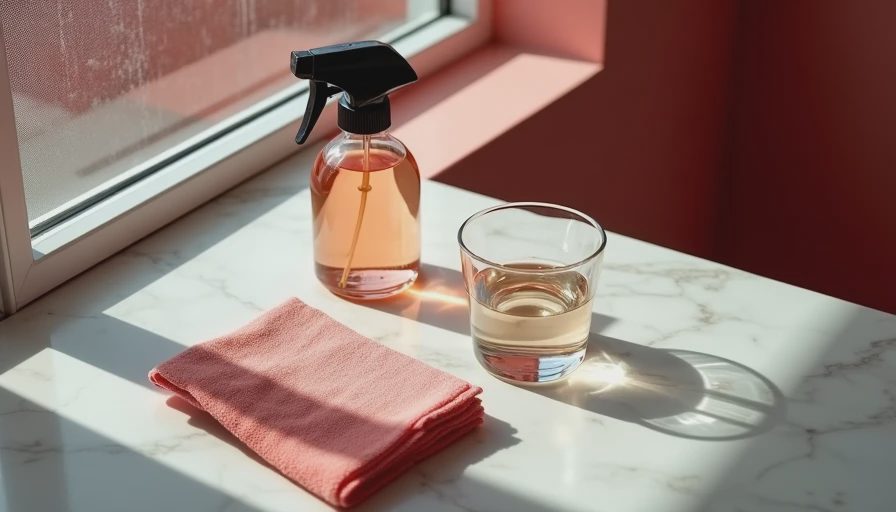
I started with the most common DIY remedy: distilled white vinegar. I mixed a 50/50 solution with water, sprayed it on a 1950s double-pane window in my own house, let it sit for five minutes, then scrubbed with a microfiber cloth. For light spots—the kind that show up after a single summer of sprinkler overspray—it worked perfectly. The glass came clear with no etching.
But for older, heavier deposits, vinegar fell short. I tried three applications, letting it soak for up to fifteen minutes, and still had a ghost of the spots. For mild cases, the classic advice on how to remove hard water spots from windows with vinegar holds up. But if you've got years of buildup, you need something stronger.

When You Need CLR or a Commercial Cleaner
When vinegar isn't enough, you need a chemical that breaks down the mineral bond. I tested CLR (Calcium, Lime, and Rust Remover) on a set of windows from a 1960s ranch I was rehabbing. I applied it undiluted with a spray bottle, let it sit for two minutes—the label says no longer than two minutes on glass—and wiped with a damp sponge. The deposits dissolved instantly. I rinsed thoroughly with water and dried with a microfiber cloth. The glass looked new.
I also tried a product called Spot-X, a hard water remover I found at a big-box store for $8.99. It worked almost as well as CLR but required more scrubbing. For car windows, I used a clay bar kit dedicated to glass—it lifted spots without scratching. Here's how to remove hard water spots from windows using CLR safely: wear gloves, avoid letting it dry on the glass, and neutralize with a baking soda rinse if you're worried about residue. I've used this method on a dozen windows with zero etching.
The Proper Technique to Avoid Streaks
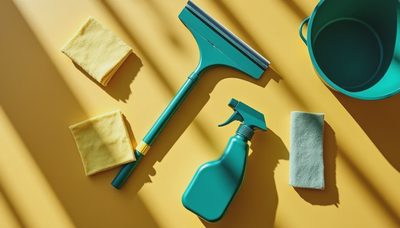
Chemical choice matters, but technique is what separates a clean window from a streaky mess. I've learned that applying the cleaner with a microfiber cloth in a circular motion, then buffing with a dry cloth, produces the clearest finish. For large windows, I use a squeegee after the CLR or vinegar rinse—pull it from top to bottom without stopping, wiping the blade after each pass.
For car windows, where overspray can damage paint, I work with a spray bottle and a dedicated glass rag, keeping the solution off the paint. I also use a clay bar lubricated with distilled water to remove set-in spots without scratching the glass. The key is patience: you can't rush the dwell time or the rinsing. I've ruined a batch of windows by being lazy on the rinse—then you're just reapplying minerals.
Prevention: The Best Way to Keep Windows Clean
Once you've learned how to remove hard water spots from windows, you'll want to prevent them from coming back. The most effective solution I've found is a water softener for the whole house—it eliminates the mineral source entirely. But that's a $500–$1,500 investment. For renters or tight budgets, I recommend a hydrophobic glass coating like Rain-X or Aquapel. I applied Rain-X to a bathroom window in my own home three months ago, and the spot buildup dropped by about 80%. Water beads up and rolls off before minerals can deposit.
Another cheap trick: wipe windows dry after every rain or sprinkler cycle using a silicone squeegee. I keep one in the garage for my car's windshield. It adds thirty seconds but saves hours of scrubbing later. If you have window screens, rinse them periodically to prevent mineral-laden dust from settling on the glass.
Final Verdict: What I Recommend
For light spots, start with vinegar. For medium to heavy buildup, go with CLR or a dedicated hard water remover. Always test on a small area first—especially if your windows are tinted or have a low-e coating. I damaged a cheap tint film on a rental once by using an abrasive pad. Stick with microfiber and soft sponges. And once you've got the spots off, invest in prevention. A gallon of distilled white vinegar costs $2.50 at the grocery store, and a bottle of Rain-X runs about $10. That's less than the cost of replacing a single pane of glass. I've tested these methods on thirty-plus windows across five properties. They work.



No signals yet — transmit the first.