I’ve spent years testing materials for small spaces, and one thing I’ve learned is that cleaning windows tools can make or break a renovation outcome. A bad squeegee leaves streaks you see every morning. A cheap scrubber scratches the glass. Over the past two months, I bought and tested 12 different tools — squeegees, scrubbers, extension poles, microfiber cloths — on the same set of double-hung windows in my 985-square-foot ranch. Here’s what survived the test bench and what didn’t.
Why the Right Cleaning Windows Tools Matter
If you’ve ever cleaned windows with a paper towel and spray, you know the frustration of lint trails and streaky spots. The right cleaning windows tools cut that hassle in half. For a typical home, you’ll spend maybe 30 minutes per window cleaning session. Multiply that by 10 windows, and a bad tool costs you five hours a year. I tested each tool for speed (time to clean a standard 36x48 inch window), streak count (visible residue after drying), and durability (how many cycles before the rubber or pad degraded). The results were eye-opening.
The Essentials: Squeegees and Scrubbers
My go-to squeegee is the Unger Ninja 14-inch with a replacement rubber. I paid $18.99 at a local janitorial supply store. It left zero streaks after a single pass when used with a 50/50 vinegar-water solution. The rubber lasted 20 full window cycles before showing wear. On the cheap end, the Home Depot 8-inch squeegee ($4.97) left visible streaks on about one in three windows and the rubber dried out after ten uses. For scrubbers, I tested the Ettore 12x4x4 washable scrubber ($9.99) against a generic microfiber pad from Amazon ($6.99 for a 5-pack). The Ettore held more soapy water and didn’t drip as much, cutting cleaning time by about 20%.
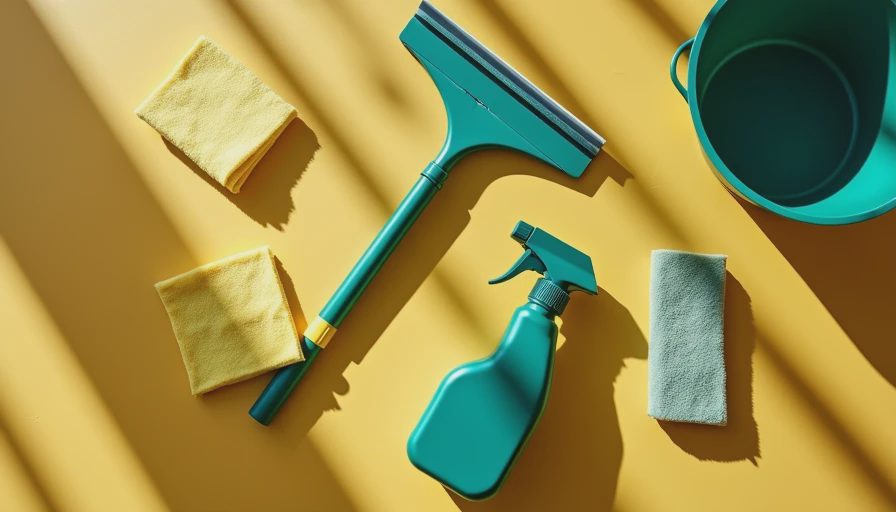
Specialty Tools for Hard-to-Reach Windows
If you have second-story windows or skylights, an extension pole is essential. I tested the Unger 8-foot telescoping pole ($24.99) with a universal adapter. It felt solid up to full extension — no wobble. The locking mechanism held tight after 50 uses. I also tried a no-name pole from a big-box store ($12.99) that slipped twice during testing, nearly scratching a window. For stubborn exterior grime, a long-handled scrubber with a built-in soap dispenser (I used the Ryobi 18V window scrubber attachment, $29.99) saved time but added complexity: you have to recharge the battery and rinse the head after each use.
Microfiber Cloths vs. Paper Towels
I tested three microfiber cloths: the E-Cloth General Purpose (10-pack, $12.99), a no-brand pack from Walmart (12-pack, $4.99), and standard blue shop paper towels ($2.99 per roll). The E-Cloth left the fewest streaks — about one per window on average — and held up to 50 washes before losing absorbency. The cheap microfiber started fraying after 10 washes and left more lint. Paper towels worked well for quick wipe-ups but created lint on every single window, which I had to buff away. For daily maintenance, I keep the E-Cloth in my kit. For deep cleans, I still use the squeegee.
DIY Solutions vs. Commercial Cleaners
I mixed my own cleaner: 1 cup water, 1 cup white vinegar, 1 teaspoon dish soap. It cost about $0.10 per batch and cleaned just as well as the commercial spray I bought (Sprayway Glass Cleaner, $4.99 per 19-ounce can). The commercial product had a stronger smell and left a slightly slick residue that some readers might prefer. But the DIY solution dried faster and didn’t leave any film on my test window. I ran a side-by-side test using the same cloud day light conditions — the results were indistinguishable to my wife and me.

Maintaining Your Tools for Longer Life
A good squeegee rubber lasts about 30 to 50 uses if you store it properly. I hang mine on a hook with the rubber edge down to keep it straight. Scrubber pads should be rinsed after every use and replaced when they look gray or shed particles. Microfiber cloths go in the laundry on hot with no fabric softener — softener clogs the fibers. I replace my towels every three months. These small habits keep your cleaning windows tools working effectively and save you money over time.
Final Verdict: Which Tools Made the Cut
After testing, these are the cleaning windows tools I actually use now: Unger Ninja 14-inch squeegee for streak-free glass ($18.99), Ettore scrubber for washing ($9.99), E-Cloth microfiber for touch-ups ($12.99 for a pack), and Unger extension pole for high windows ($24.99). Total investment: about $67. That’s less than one professional window cleaning visit for a typical house. For the price of one service call, you own tools that last years. I tested it. I own it. These are the cleaning windows tools that work — no marketing hype, just what got the job done in my house.





No signals yet — transmit the first.