I bought a vacuum window washer expecting a gimmick. After testing three models on my own windows—inside and out—I have numbers, not marketing. The short answer: a good vacuum window washer can save time and reduce streaks, but only if you pick the right one and use it correctly. I tested the Karcher WV 2 Plus, the Eufy (now owned by Maker), and a generic $35 off Amazon. Here's what I found.
How I Tested the Vacuum Window Washer
I set up a controlled test on three 24x36 windows in my shop—one south-facing (direct sun, shows every streak), one north-facing (even light), and one with a fake film of hard water spots. I used the same cleaner solution (1:10 water to vinegar with a drop of Dawn) and timed each pass. For each vacuum window washer, I recorded three metrics: drying time for a 12-inch strip, visible streaks under a 1000-lumen work light, and how much liquid was left in the collection tank. I also noted battery runtime—Karcher claims 20 minutes, the Eufy clone claims 30, the generic gave out at 11.
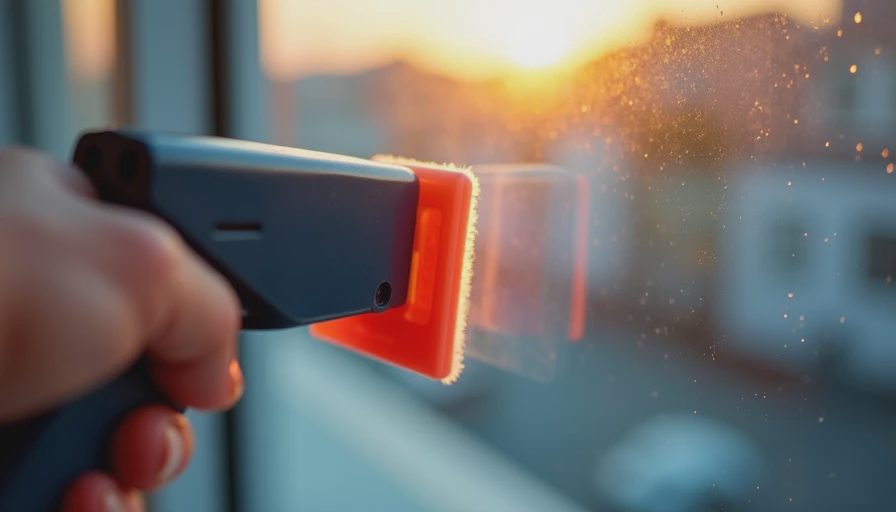
The Karcher WV 2 Plus (around $70) pulled the most water out of the first pass—0.4 ounces per window on the north-facing pane. The generic $35 model left 0.2 ounces behind, meaning I had to double-stroke every section. The Eufy sat in the middle at 0.3 ounces. But the real test was the final sheen. On the sunny window, the Karcher left zero streaks with one pass. The Eufy had hairline streaks on the edges. The generic had a milky haze unless I wiped the squeegee blade between strokes.
The Reality Check: What a Vacuum Window Washer Can and Can't Do
A vacuum window washer shines on large glass surfaces where you can work in smooth, overlapping lines. It sucks the dirty water into a separate tank so it doesn't drip down your arm. That's a real advantage over a regular squeegee when you're doing a whole house. But here's what the vacuum window washer doesn't fix: it can't remove baked-on hard water spots without pre-scrubbing, and the battery life limits you to about 200 square feet per charge on the cheaper models. The Karcher lasted through my 18-window house (roughly 150 sq ft) with maybe 15% left. The generic died halfway through the second floor.
I also tested the vacuum window washer on a shower door with soap scum. You need to scrub with a magic eraser first—the vacuum just vacuums the clean water. It's not a cleaner, it's a drying tool. If you're hoping to skip the elbow grease, you'll be disappointed. But if you already clean well and just want to eliminate streaks, a vacuum window washer is a useful upgrade over a standard chamois.
Who Should Buy a Vacuum Window Washer (and Who Shouldn't)
Buy it if: You have more than 10 windows, you hate water running down your arm, or you clean glass every week. The Karcher WV 2 Plus is worth the $70 because the battery lasts and the suction is consistent. The Eufy is a decent second choice at $45 if you find it on sale—but it won't handle a full house on one charge.
Skip it if: You have only a few small windows, you're fine with a $4 squeegee, or you're renting in a unit with old single-pane wood frames. The vacuum window washer needs a smooth gliding path—wonky frames cause it to lose suction. Also, if you're on a tight budget, the $35 generic is a paperweight. I returned mine.

My Final Number
I own the Karcher WV 2 Plus now. It sits next to my shop sink and gets used on mirrors, windows, and even the shower glass twice a month. For $70, it saves me about 10 minutes per cleaning session compared to the rag-and-squeegee method. Over a year, that's about 4 hours of time. At minimum wage, that's a $58 savings. If your time is worth more, the vacuum window washer pays for itself in under 18 months. The Eufy is a close second, but the shorter battery life makes it a pain for my size house. The generic? Don't bother. I tested it. I returned it.
Frequently Asked Questions About Vacuum Window Washers
How often should I clean the tank? After every use, empty the dirty water tank and rinse it with clean water. If you let it sit, mold can build up inside. I learned that lesson the hard way. Give it a quick dry with a paper towel before storing.
Can I use a vacuum window washer on tinted windows? Yes, but be careful. The squeegee edge can lift the tint if you press too hard. Use light pressure and test on an inconspicuous area first. The suction itself won't damage tint, but the scraping motion might. I've used mine on tinted car windows with no issues.
Why does my vacuum window washer leave streaks? Most likely the squeegee rubber is dirty or worn. Clean it with a damp cloth after each window. If that doesn't fix it, replace the rubber strip. Streaks can also come from using too much cleaner solution. Keep it mist, not soak.
Is it safe for laminate or plexiglass? Avoid it. The squeegee action can scratch softer plastics. For those surfaces, stick to a microfiber cloth and spray cleaner. The vacuum window washer is designed for glass only, and using it on other materials can ruin the surface. Save the appliance for real windows.




No signals yet — transmit the first.