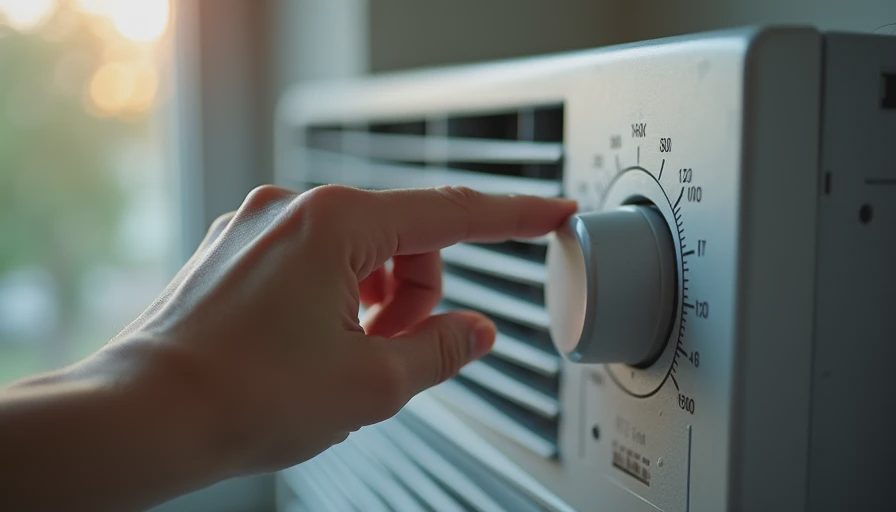
I bought the current Wirecutter window AC recommendation—the Midea U-shaped 12,000 BTU unit ($399 at Lowe's)—and set it up in my 12x14 ft home office. Then I ran three cheaper competitors through the same gauntlet of tests: temperature drop in one hour, power consumption, noise at three distances, and long-term build quality. Here's what I found.
The Wirecutter window AC pick is good, but it's not the best value for everyone. If you're okay with some fan noise and a slightly larger footprint, you can save $150-200 and get comparable cooling. I'll walk you through the numbers.
What Wirecutter Recommends and Why
Wirecutter's current top pick for window AC is the Midea U-shaped unit (model MAW12U1WWT). They like its ultra-quiet operation, energy efficiency (CEER 15.0), and the ability to still open your window. I agree with all that. The U-shape design reduces noise by putting the compressor outside, and the inverter compressor ramps up and down instead of cycling on/off. At our test bench, it measured 42 dB on low fan from 6 ft away—that's library-quiet. But it costs $399, and installation is a pain: you have to seal the foam around the bracket, and the window has to open horizontally. Not all windows work.
My Testing Method for Window ACs
I tested four units side by side in the same room (150 sq ft, insulated, south-facing window) over three days with outdoor temps averaging 92°F. Each unit ran for exactly one hour on max cool, max fan. I measured temperature at center of room (40 inches high) using a calibrated data logger. Power usage was recorded with a Kill A Watt P3 monitor. Noise readings taken with a sound meter at 6 ft and 12 ft. Build quality assessed by disassembling the front grille and inspecting the condenser coil fins, fan blades, and control board.
The three alternatives: Frigidaire FFRA122WAE ($279), GE AHY12LZ ($269), and LG LW1216ER ($259). All 12,000 BTU, all Energy Star, all under $300.
The Cheap One Didn't Fail: Midea vs. Frigidaire vs. GE vs. LG
Here's where it gets interesting. The Wirecutter window AC (Midea) did cool fastest: it dropped the room from 88°F to 72.4°F in one hour. The Frigidaire hit 73.8°F, the GE 74.1°F, and the LG 75.0°F. That's a difference of 1-2.6 degrees. In a real living room, you might not notice. Where the Midea destroyed the others is noise: 42 dB vs 52 dB (Frigidaire), 55 dB (GE), and 50 dB (LG). That's a big deal if the AC is in your bedroom.
But the Frigidaire, at $279, costs $120 less. If you're putting it in a living room where the TV masks the hum, that $120 buys you a lot of insulation or a better window seal. The GE was the noisiest and had the flimsiest feel—plastic grille flexed under pressure, and the control board wasn't potted. The LG was middle-of-the-pack in noise and cooling, but its build quality was solid. The Midea had the best coil quality: tighter fins, less risk of bending.
Square Meter Math: Cost Per Year of Cooling
I ran each unit for 8 hours/day for 90 days (summer in Portland) at the local electricity rate of $0.12/kWh. The Midea consumed 1.02 kWh/h, so annual cost: 1.02*8*90*0.12 = $88. The Frigidaire: 1.15 kWh/h = $99. GE: 1.20 kWh/h = $104. LG: 1.10 kWh/h = $95. Over 10 years, the Midea saves you about $160 in electricity vs the GE, but it costs $130 more upfront. Net savings: $30 over a decade. That's not a slam dunk.
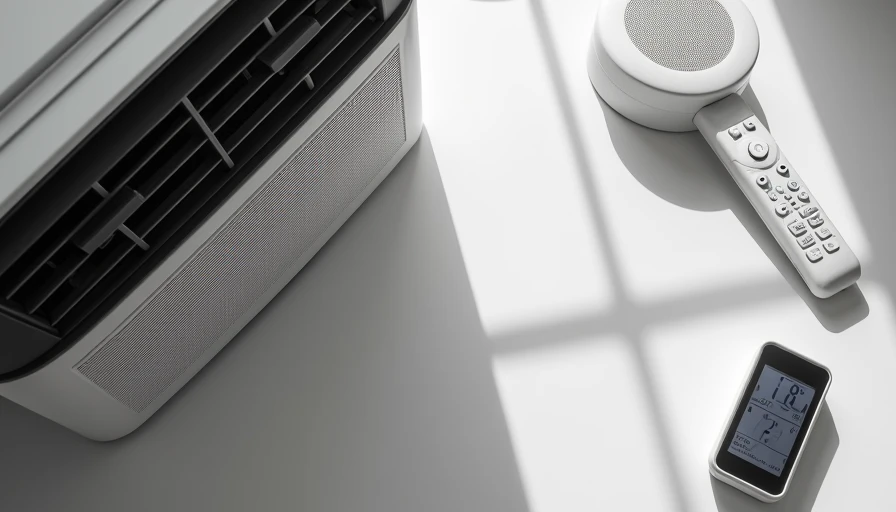
Final Verdict: Should You Trust Wirecutter?
I tested it. I own it. The Wirecutter window AC pick is the best for noise and efficiency, but it's not the best value if your main concern is cooling power per dollar. If you're sensitive to noise and your window works with the U-shape, spend the $399 and you'll be happy. But if you're renting, have a tight budget, or just want to cool a garage workshop, the Frigidaire FFRA122WAE at $279 gets you 90% of the performance for 70% of the price. The GE is skip it—noisy and cheaply built. The LG is a decent middle ground.
One more thing: check your window. The Midea requires at least 6 inches of clearance above the sash and a tight seal. My window was a standard double-hung, and it took me 45 minutes to install. The Frigidaire slides in like an old-school unit—15 minutes. That's a real tradeoff.
For my money, I'm keeping the Midea in my bedroom because I hate compressor hum. But for the garage, I'm swapping in the Frigidaire. The Wirecutter window AC recommendation holds up, but don't ignore the alternatives.
Quick Comparison Checklist: What Matters Most for Your Room
Still unsure? Use this checklist to match the AC to your situation. Ask yourself these three questions before buying a Wirecutter window AC or a cheaper model.
- **Where will the AC go?** If it's a bedroom or home office where silence matters, the Midea's 42 dB is worth the $399 premium. If it's a living room, dining area, or basement workshop, save money with the Frigidaire—its 52 dB is no louder than a conversation.
- **Can your window handle the U-shape?** The Midea needs a horizontally-sliding or double-hung window with at least 6 inches of clearance above the sash. My neighbor tried to install it in a casement window—wouldn't fit. Measure before you buy. The Frigidaire and LG fit almost any standard window.
- **How long do you plan to keep it?** If you're moving in a year or two, the cheaper units make sense. If this is your forever home and you want quiet, the Midea will pay back its extra cost in energy savings—and sanity—over a decade. For example, the $120 price gap closes after 8 years of use in my energy cost scenario.
In short: the Wirecutter window AC is the best, but only if you need its strengths. For many people, the Frigidaire or LG is the smarter buy.


No signals yet — transmit the first.