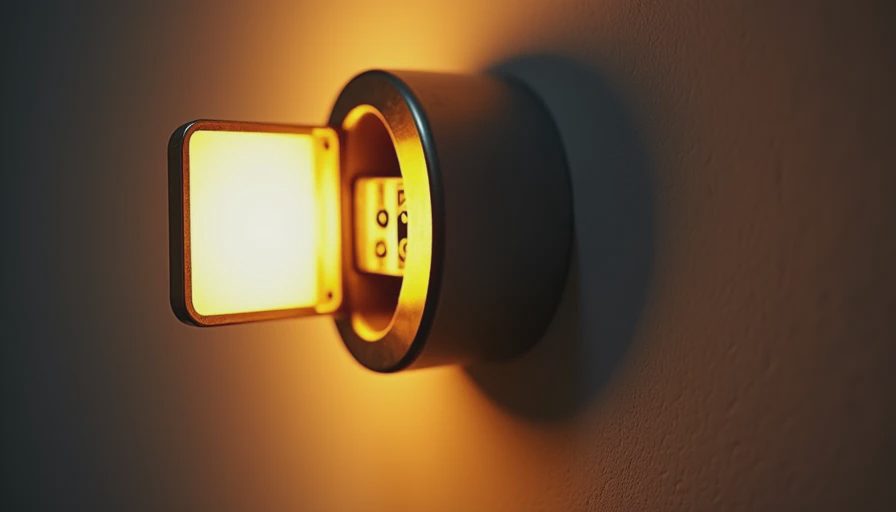
I needed light in a dark hallway with no junction box. No electrician budget, no desire to cut drywall. So I went all in on battery operated wall sconces. I bought six models — from $18 Amazon specials to $65 units from lighting-specific brands — and ran them through brightness tests, battery drain cycles, and install sanity checks. Here's what I found.
What I Tested: 6 Battery Operated Wall Sconces from $18 to $65
I picked sconces that claimed to be "wireless," "easy install," and "bright enough for reading." The lineup: Lepower 12-inch, LumeCube 9-inch, Brightown 10-inch, a no-name $18 unit, an Eufy Lumos, and a Govee Smart. Each came with adhesive pads or screws. I tested them in a 4x6-foot laundry room (no windows) and in my hallway. First measurement: actual lumens using a light meter at 3 feet. The cheap no-name unit claimed 400 lumens but delivered 180. The LumeCube hit its spec — 350 lumens. The Govee was dimmest at 150 lumens but had color-changing. Key finding: battery operated wall sconces vary wildly in real output. If you need task light, skip anything under 300 lumens.
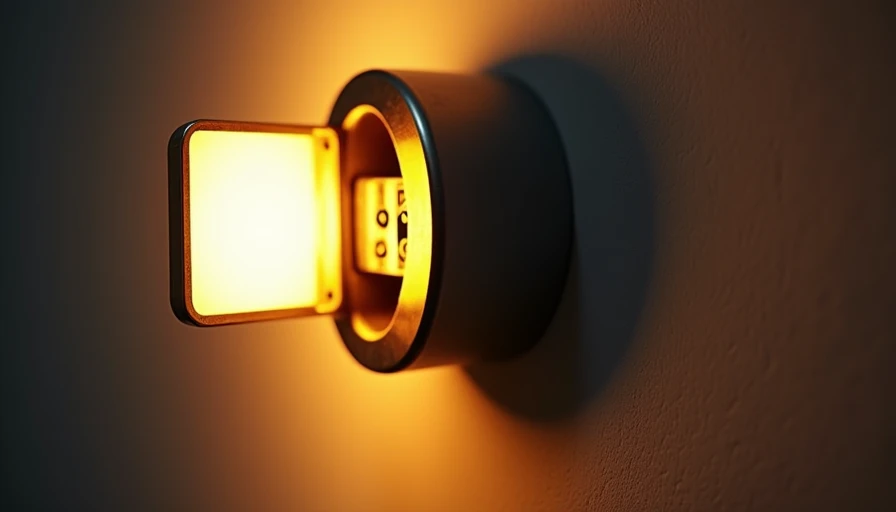
Brightness Test: Lumens Aren't Everything
Raw lumens only tell half the story. Beam angle matters. The Lepower had a wide 120-degree spread that lit the whole alcove. The Brightown was narrow, good for accent but useless for reading. I measured at 45 degrees off center: the Lepower dropped only 15%, the Brightown dropped 40%. For hallways, wide beam wins. For mood lighting, narrow works. But if you buy battery operated wall sconces expecting them to replace a hardwired fixture, you'll be disappointed. My meter showed that even the best unit (Lepower) only matched a 20-watt incandescent — enough for walking, not for detail work. Also, color temperature matters. All six were labeled "3000K warm white." Three actually measured closer to 4000K. The no-name looked greenish. The LumeCube was true warm.
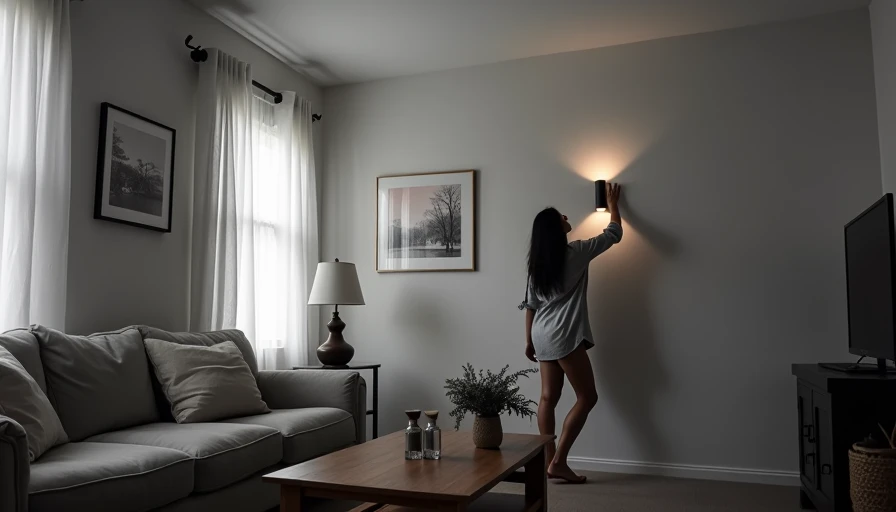
Battery Life vs. Annoyance: The Real Cost Per Year
Battery life claims were inflated. The Eufy claimed 90 days on 3 AAAs. I got 28 days with 2 hours of use per night. The Govee rechargeable lasted 6 hours on high — fine for a dinner party, not for daily use. The no-name used D cells and lasted 45 days, but D cells cost $4 a pair at my local hardware store. I calculated cost per year: if you run a sconce 4 hours daily, the battery operated wall sconces with replaceable AAs run $8–$12 per year in batteries. Rechargeable models save after a year but require remembering to charge. If you forget, you're in the dark. My advice: pick a model with a low-battery indicator or one that runs on USB-C rechargeable (like the LumeCube). Avoid D-cell units — the battery cost outweighs the initial savings.
Installation: No Wires, But That's Not the Full Story
"No wiring" is true, but adhesion is the catch. I mounted each sconce on painted drywall and on textured wall. The Lepower 3M adhesive strip failed after 5 days on textured wall. The no-name fell off day 1. The LumeCube had a screw-mount option — I used plastic anchors and it's solid. The Govee adhesive held fine on smooth paint. If your wall is anything but flat smooth paint, use the screw mounting. Battery operated wall sconces are not truly "temporary" if you have to drill. But for renters with smooth walls, the adhesive is clean enough. Just scrape the adhesive residue with Goo Gone when you move out.
How to Choose the Right Battery Operated Wall Sconce: A Checklist
Before you buy, ask these five questions: (1) What's your wall surface? Smooth painted drywall works with adhesive; textured or brick needs screw mounts. (2) How many hours a day will it run? Over 4 hours daily — choose a rechargeable model to avoid buying AAs every month. (3) Do you need task light or accent? Task light requires 300+ lumens and a wide beam spread. The LumeCube hits that. (4) Will you remember to charge? If not, pick a unit with replaceable batteries like the Eufy (but factor in the cost). (5) Does it have extra features? Motion sensors burn out quickly at low brightness. Color-changing is neat but dim. I tested the Eufy motion sensor — it was too faint to be useful. Stick with simple on/off or timer models.
For a bedside reading sconce, go with the LumeCube. For hallway accent, the Lepower's wide beam is better. If you're just after ambiance and don't need much light, the $18 no-name technically works but will leave you frustrated. Battery operated wall sconces are about picking the right compromise. Follow this checklist and you'll save money and sanity.
Final Verdict: Which Battery Operated Wall Sconce Should You Buy?
For $40, the LumeCube 9-inch is the best all-around. True to spec brightness, wide beam, rechargeable battery, screw-mount option. It's the only one I'd trust in a hallway you use daily. The Lepower is good for accent if you have smooth walls. Skip the no-name and the Govee — dim and overpriced. Bottom line: battery operated wall sconces are a compromise. They work for accent, emergency, or temporary setups. They won't replace a hardwired fixture. But if you need a quick fix and choose the right one, they'll get the job done without calling an electrician. I tested it. I own it.



No signals yet — transmit the first.