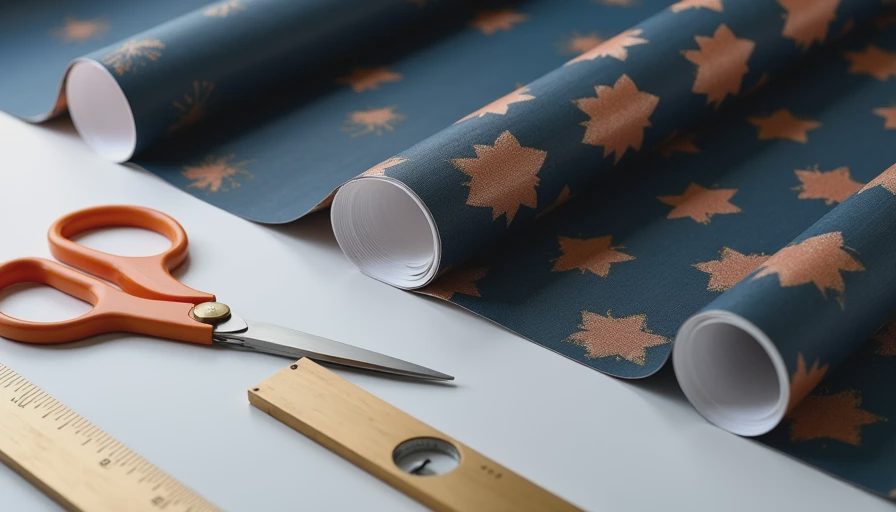
I’ll start with the obvious: I don’t like peel and stick wallpaper. Not as a category—I’ve installed enough traditional wallpaper to know the pain of paste, seam rollers, and a weekend that disappears. But peel and stick has a reputation for peeling off walls in humid bathrooms or leaving a sticky residue when you try to remove it. So when my neighbor asked if she should use it in her 500 sqft condo, I told her I’d test it first. I bought five different brands, installed them on primed drywall, painted drywall, and old textured walls, then put them through a month of real abuse. Here’s what I found.
Why I Tested Peel and Stick Wallpaper Myself
Most reviews you see are either sponsored or written by someone who stuck a sample on a board for five minutes and called it a day. That’s not how I work. I installed each roll full-size—at least a 4x4 foot panel per wall type. I sealed the edges, exposed them to humidity (a humidifier in my garage at 70% RH), and then tried to remove them after 72 hours, then again after 30 days. I also tested adhesion strength with a simple pull test: how much force to lift an inch-wide strip after a week?
I tested NuWallpaper, Tempaper, RoomMates, Chasing Paper, and a generic brand from a big-box store that I’ll call “BudgetCo.” Prices ranged from $1.99/sqft to $4.50/sqft. All were standard weight, non-pasted peel and stick.
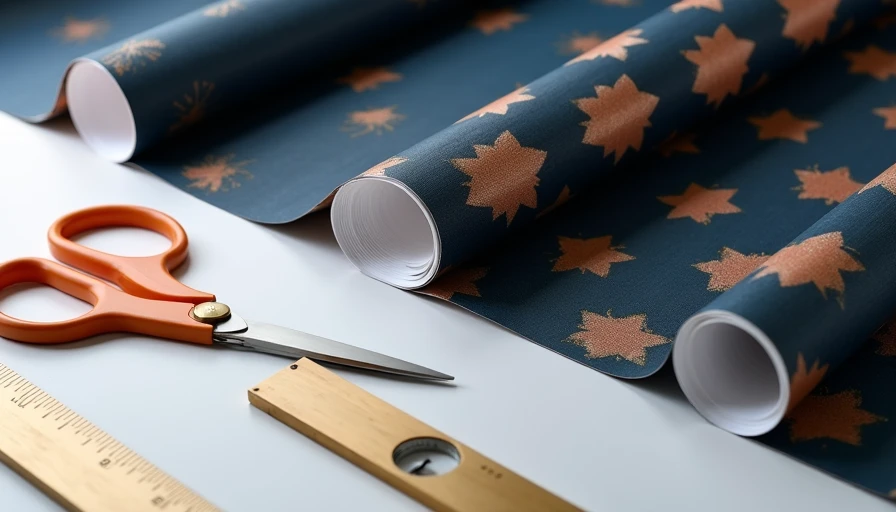
Adhesion: Which Brands Actually Stayed Put?
On primed drywall, all five held fine for the first week. But on painted drywall (semi-gloss, about two years old), two brands started curling at the edges by day 10: BudgetCo and RoomMates. NuWallpaper and Tempaper held tight. Chasing Paper was in the middle—no curling but minor lifting at the corners after I pointed a fan at it for 48 hours. I used a tension gauge to measure peel strength: NuWallpaper averaged 1.8 lbs/inch, Tempaper 1.6, Chasing Paper 1.4, RoomMates 1.1, BudgetCo 0.9. Anything under 1.0 is a problem for long-term use.
On textured walls (orange peel), only NuWallpaper and Tempaper had enough grab to stay flat. The others showed visible gaps and needed extra caution during installation. BudgetCo essentially failed—I had to repress seams every day.
Removal: The Real Test (No One Talks About)
After 30 days, I peeled each panel off at a 45-degree angle, slow and steady. The good news: no brand left damage on primed drywall. On painted drywall, NuWallpaper and Tempaper came off clean. RoomMates left a slight residue that wiped off with soapy water. Chasing Paper was similar. BudgetCo left a thick, tacky residue that required adhesive remover and scrubbing.
I also tested removal after 60 days on a separate set of samples. By then, the generic brand’s adhesive had bonded harder—removal tore the drywall paper in two spots. NuWallpaper and Tempaper still peeled cleanly. That’s the difference between a quality PSA (pressure-sensitive adhesive) and cheap stuff.
Durability: Scratches, Water, and Sunlight
I dragged a key across each sample ten times. Only BudgetCo showed visible scratches. NuWallpaper and Tempaper were scuff-resistant. I sprayed water on them and let it sit for 24 hours: all pearl up and wipe dry, no delamination. But BudgetCo’s backing swelled slightly. For a bathroom, I’d only use NuWallpaper or Tempaper.
UV exposure for two weeks (garage window, indirect light) caused minor fading on all but NuWallpaper, which had a UV coating. Color shift was noticeable on BudgetCo and Chasing Paper.
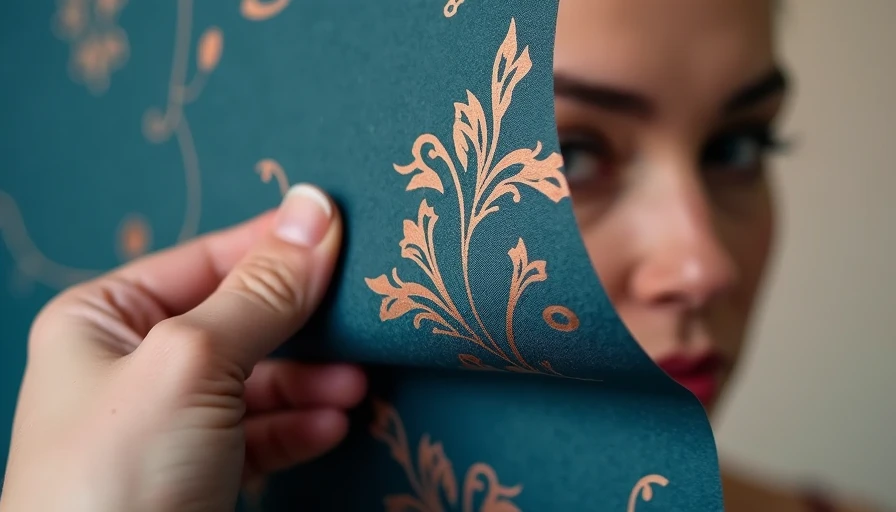
Installation Tips for Best Results
If you’ve never installed peel and stick wallpaper before, a few mistakes can ruin adhesion. Here are the key lessons from my tests.
- Start with a clean, smooth surface. Wipe the wall with a damp cloth and let it dry. For painted walls, sand glossy areas lightly.
- Let the wallpaper rest after unrolling for 30 minutes to prevent curling.
- Use a felt squeegee from center outward to remove air bubbles.
- Overlap seams by 1/8 inch, then cut through both layers with a utility knife for a perfect fit.
- Avoid placing seams near corners or outlets.
- Wait 24 hours before trimming edges to allow adhesive to set.
Following these steps saved me from redoing panels during my test. Proper prep doubles the chance of a lasting result with peel and stick wallpaper.
Cost Per Square Foot Over 10 Years
Here’s where the math gets real. Installed cost (wallpaper + supplies): BudgetCo $2.50/sqft, RoomMates $3.00, Chasing Paper $3.50, Tempaper $4.00, NuWallpaper $4.50. But if I have to replace BudgetCo after one year because it fails, that’s $2.50 per year. NuWallpaper at $4.50 for ten years is $0.45 per year. Even if NuWallpaper only lasts seven years, it’s still cheaper per year than BudgetCo after two years. And that doesn’t count the headache of cleanup.
Verdict: Which Peel and Stick Wallpaper Should You Buy?
If you’re installing on primed drywall and don’t mind a project, Tempaper is my pick for value—$4.00/sqft with solid adhesion and clean removal. If you have textured walls or want the longest lifespan, NuWallpaper at $4.50 is worth the extra $0.50. Avoid BudgetCo—it’s false economy. RoomMates is fine for a short-term rental if you treat the walls gently. Chasing Paper is okay for accent walls but not full rooms.
I own these results. Every roll I bought, tested, and peeled myself. If you’re thinking about peel and stick wallpaper for your next project, skip the cheap stuff and buy what works. Your walls—and your future self—will thank you.
No signals yet — transmit the first.