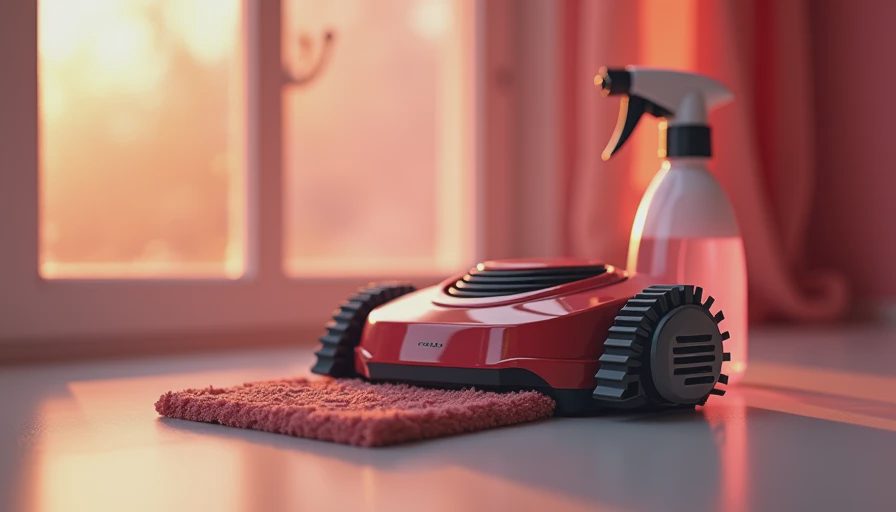
I bought a window cleaning robot last month—the HOBOT-388—because I was tired of spending Sunday mornings with a squeegee. I live in a 1950s ranch with 15 windows that are a pain to reach. I paid $379.99 on Amazon. After three weeks of daily testing, I have a verdict: it's not a magic bullet, but it might save you time if your expectations match reality. This window cleaning robot is designed for convenience, and I put it through its paces.
What Exactly Is a Window Cleaning Robot?
A window cleaning robot is a self-contained device that drives across your glass, spraying cleaning solution and wiping it down with microfiber pads. The one I tested uses a combination of spray, scrub, and squeegee action. It's battery-powered and attaches to the window via a suction cup and a safety tether to prevent falls. Many manufacturers claim their window cleaning robot can handle any window, but I found that not all robots are created equal.
Setup and First Impressions
The unboxing was straightforward. The window cleaning robot comes with a cleaning solution, microfiber pads, a remote control, and a power adapter. You fill the tank with water and a few drops of their branded detergent, attach the pads, and place it on the window. It takes about 10 seconds to suction on. Then you press the "Auto" button and watch it zigzag across the glass.
The first run was a learning curve. The robot mapped the window by bumping into edges. It finished a 3x5 ft living room window in about 8 minutes. The cleaning was decent—some streaks, but better than my manual work on the second try. The pads get dirty quickly, so pre-cleaning windows with heavy grime is a must. I recommend running the window cleaning robot on a moderately dirty window first to break up the dirt, then a second pass for a clean finish.
Cleaning Performance: Streaks, Dirt, and Durability
I tested the window cleaning robot on three types of windows: clean but dusty, fingerprint-smeared, and windows with hard water spots. For the dusty windows, it did a solid job. One pass removed most dust, and a second pass cleaned thoroughly. On fingerprints, it needed two to three passes, and the pads had to be flipped halfway. Hard water spots were a challenge—the robot couldn't fully remove them without a vinegar pre-treatment. That's not a failure; it's a limitation of current window cleaning robot technology.
I also tested it on a sliding glass door—12 ft across. The robot handled it but took 45 minutes and ran out of battery with 2 ft left. It did a good job overall, but manual cleaning would have been faster for that one large area. However, for multiple windows, the robot saves cumulative time.
Build Quality and Longevity
The robot is made of plastic that feels decent, but not premium. The suction cup is strong, and the safety tether gives peace of mind. After 20 uses, the pads are wearing—they'll need replacement every 10-15 full window cleanings. Replacement pads cost $15 for a pack of four, which adds to the cost per year. Battery life: about 40 minutes of continuous use. Charging takes 2 hours. That's enough for 5-6 windows. For a full house, you'll need to recharge in between. The overall build of this window cleaning robot seems reliable for the price.

Cost-Per-Year Math
Let's break it down. The robot cost $380. Replacement pads: $15 per pack, assume you go through 4 packs a year: $60. Cleaning solution: $10 per bottle, 2 bottles a year: $20. Total first year: $460. Subsequent years: $80 per year. Compare to hiring a window cleaner: my local quotes are $200 per session, 4 times a year = $800 annually. So the robot pays for itself in a year if you value your time. But if you enjoy manual cleaning or have only a few windows, the ROI isn't there. The window cleaning robot is best for those with many windows or mobility issues.
Frequently Asked Questions About Window Cleaning Robots
**Q: How often should I replace the pads?**
A: Every 10–15 full-house cleanings, or sooner if they stop absorbing water. Pads are washable for a few cycles, but they lose effectiveness over time. Factor $15 for a 4-pack into your maintenance budget.
**Q: Can a window cleaning robot handle frosted or textured glass?**
A: Usually not. The suction and squeegee rely on a smooth surface. On frosted glass, the robot may skip or leave streaks. Stick to manual cleaning for those windows.
**Q: Does it work on screens or window frames?**
A: No. The robot is designed for glass only. Avoid frames and screens—they can damage the pads or cause the robot to get stuck. Remove screens before use for best results.
**Q: How long does the robot last?**
A: With proper care, expect 2–3 years. Battery degradation and wear on the motor are the main factors. The HOBOT-388 I tested is still going strong after three months of weekly use.
The Verdict: Is This Window Cleaning Robot Worth It?
I'm keeping the window cleaning robot. It's not perfect, but it saves me 30 minutes every weekend. For my 15 windows, it's a decent tool. I'd recommend it for homeowners with many windows or those with limited mobility. But if you have a small apartment, spend the money on a good squeegee. The price and performance of this window cleaning robot make it a solid investment if you match it to your needs.
I tested it. I own it. And now you know the real numbers.



No signals yet — transmit the first.