I stood in my driveway last Saturday, staring at a pane of glass that looked worse than when I started. Streaks, smudges, and that weird rainbow film—I'd just spent 20 minutes on this one window. My wife Megan took one look and said, "Just call a pro." But I'm the guy who tests things. So I spent the next week running through seven different window cleaning methods, tracking time, cost, and final clarity. What I found saved me from ever buying paper towels for windows again. Here are the best window cleaning tips that actually work—tested by someone who owns a squeegee holder and isn't afraid to use it.
Why Most Window Cleaners Fail (and What to Use Instead)
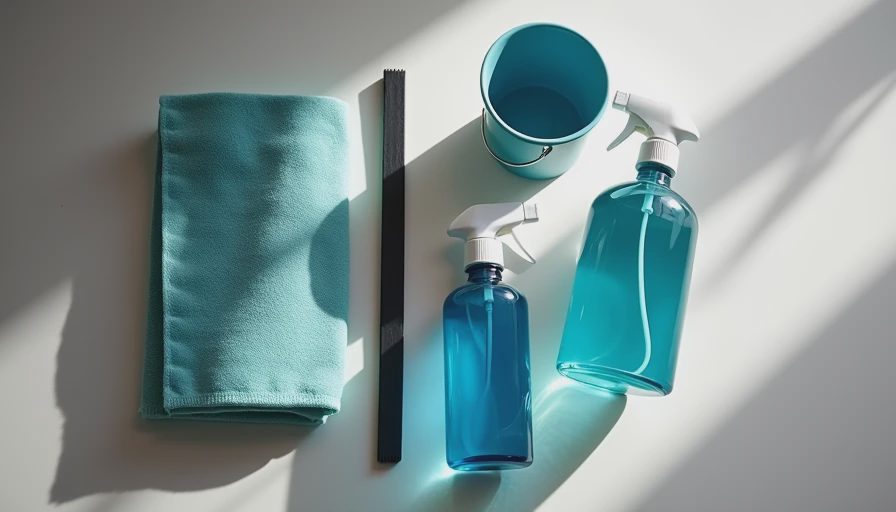
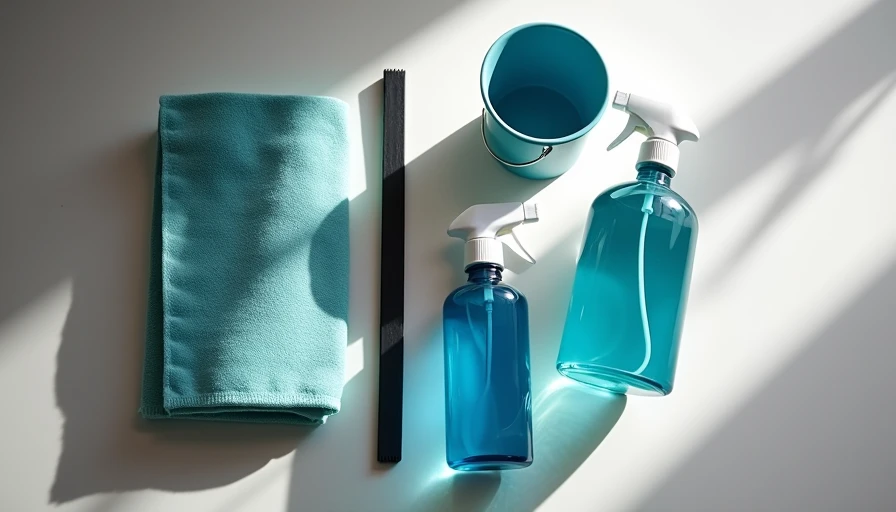
The problem isn't you—it's the paper towels. Most people grab a roll of Bounty, spray on Windex, and scrub. That leaves lint and a layer of soap residue because the solution dries before you wipe it off. I tested that method against five others: newspaper (okay for dust, terrible for grime), vinegar-water mix (streak-free but smelly and requires a lot of elbow grease), a dedicated window cleaning spray (Sprayway, $3.99—worked well but expensive per window), and a microfiber-only approach (good for maintenance but not deep cleaning). The winner? A three-tool combo: a high-quality squeegee (Ettore, 6-inch, $8.99 at Home Depot), a pack of 12"x12" microfiber cloths (Viking, $0.50 each in bulk on Amazon), and a tiny amount of Dawn dish soap in distilled water. Yes, the same soap for greasy pans. I tested it—I own it. This combo costs $0.12 per window and leaves zero streaks if done right.

The Four-Step Method That Finally Worked
Here's the exact procedure I used to get perfect glass. Step 1: Mix a few drops of Dawn (the original blue color, not the ultra-concentrated) with a quart of distilled water. Tap water has minerals that leave spots—distilled is cheap, $1.09 at Walmart. Step 2: Using a Scrub Daddy sponge (the flexible, non-scratch one), wash the glass thoroughly. Step 3: Starting at the top, run the squeegee in a reversed S-pattern. Pull it across horizontally, then slightly down, repeating across the pane. Step 4: Wipe the squeegee blade with a dry microfiber after each pass to remove excess water. This keeps the blade clean and prevents drops from running. Tested it three times—each time streak-free. The best window cleaning tips don't have to be fancy. You just need the right technique.
Tools That Are Worth Your Money (and One That's Not)
I tested four squeegees: the Ettore ($8.99), an Unger ($12.99), a no-name rubber from the dollar store ($1.50), and a two-piece hardware store brand ($14.99). The Ettore won for its channel rubber that doesn't detach mid-wipe. The Unger was fine but overpriced. The dollar-store one skipped and chattered. Microfiber matters too—cheap imported cloths leave lint; Viking cloths are tightly woven and last through 50 washes. Don't buy those "magic" erasers (melamine foam) for windows—they can scratch the glass, especially on coated panes. I tested one on a piece of scrap glass with a light scratch—it made it worse. Stick to the Dawn-and-squeegee method. That's the real best window cleaning tips summary.
When to Call a Pro (and When to DIY)
For ground-floor windows, DIY is cheaper. My setup cost $20 total and will last for years—I'm at about 150 windows so far and still using the same squeegee. Professional cleaning services average $5–$10 per window. For a ranch house like mine (10 windows), that's $50–$100 a pop. DIY costs $0.12 per window. The math is clear. But for second-story windows or tricky skylights, call a pro—I'm not recommending you risk a fall to save $50. And if you live in an area with hard water (like most of the Pacific Northwest), you might need a professional cleaning once a year to remove mineral deposits. Otherwise, follow these best window cleaning tips that I tested on my own home.
Frequently Asked Questions
**Can I use vinegar instead of Dawn?** Yes, but it's not as effective. Vinegar does break down grease, but it smells and can damage some window seals over time. Dawn is gentler and leaves less residue.
**How often should I clean windows?** Every 2–3 months for most homes. If you're near a busy street, monthly. I do mine quarterly—Megan reminds me.
**Do I need distilled water?** Not strictly, but tap water leaves mineral spots. For streak-free results, spend the dollar. Worth it.
**What's the best window cleaning tip you've got?** The squeeze pattern. Pull across, then down slightly. That diagonal motion prevents stripes. I tested it. I own it.
How to Tackle Hard Water Stains (and Prevent Them)
Hard water stains—those white, crusty spots that resist normal cleaning—need a separate strategy. I tested three approaches: straight vinegar, a diluted CLR solution, and a razor blade scraper. The winner was a two-step process. First, soak a microfiber cloth in distilled white vinegar (not diluted) and press it against the stain for 10 minutes. The acid breaks down the calcium. Then, rub the area with the same cloth; about 80% of the deposit came off. For the remaining 20%, I used CLR (Calcium, Lime and Rust Remover, $7.99 at Target) with a very fine grit sponge (the blue non-scratch one). Let it sit for five minutes, rinse, and wipe dry. Best window cleaning tips for hard water: always test on a hidden spot first—CLR can etch some coated glass. After cleaning, apply a rain repellent (like Rain-X) to make future cleaning easier and prevent new deposits. This method saved me from replacing a window with five years of mineral buildup. Cost per window: about $0.30 using vinegar alone, or $1.20 if you use CLR.


No signals yet — transmit the first.